
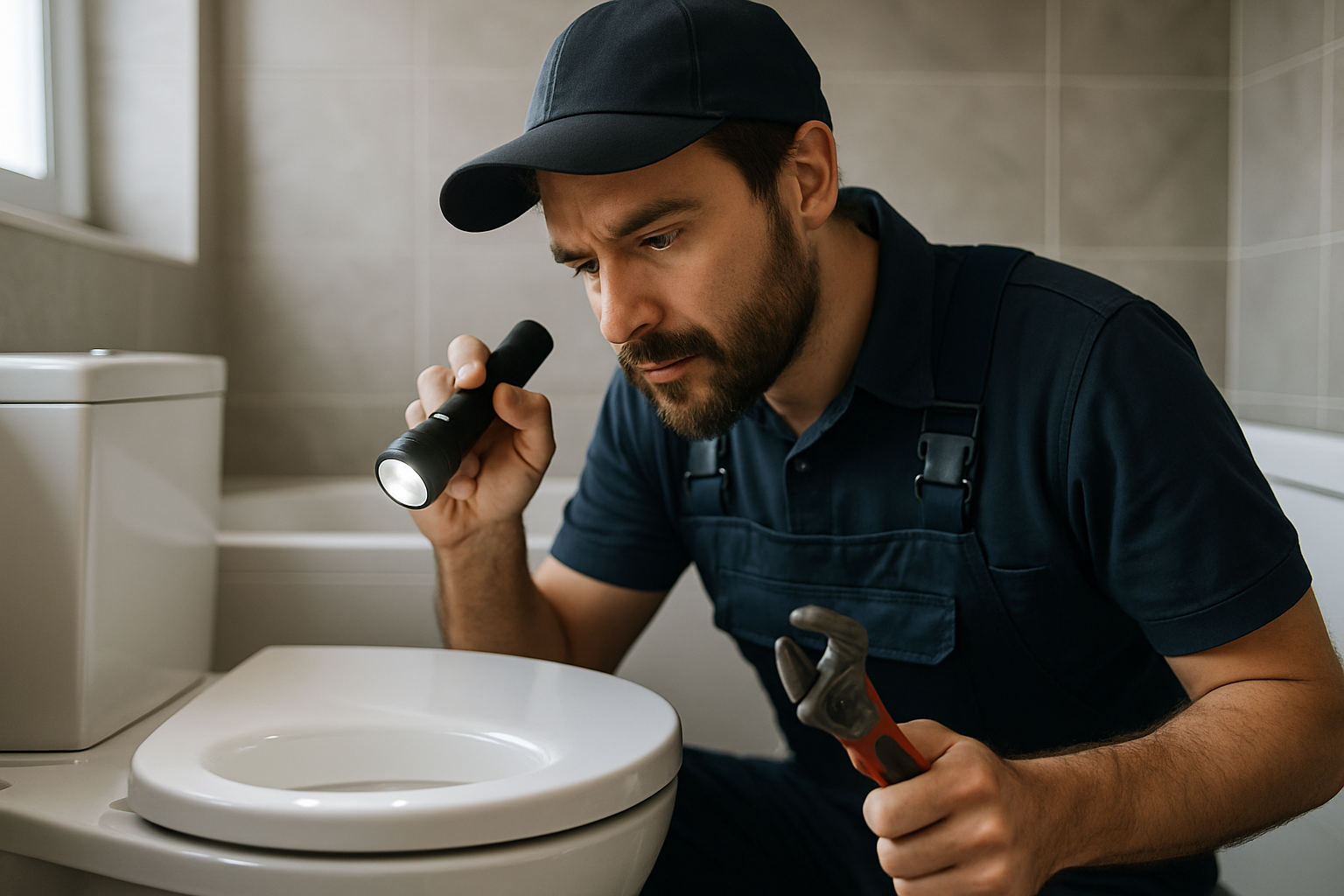
Toilet Installation — We Improve For You
Troubleshooting Guide

Toilet Installation Troubleshooting Guide — We Improve For You

Installing a toilet in your Milford, CT home is a rewarding and essential upgrade that can enhance your bathroom's functionality and comfort. However, even the most meticulous installations can lead to unexpected challenges. At We Improve For You, we understand that troubleshooting toilet installation issues is crucial for maintaining a hassle-free bathroom experience. This guide is designed to help homeowners identify common symptoms of installation problems, offering practical solutions to ensure your toilet operates smoothly. From leaks to malfunctioning flushing mechanisms, recognizing the signs of a poorly installed toilet can save you time, money, and frustration. Whether you are a DIY enthusiast or prefer professional assistance, our goal is to empower you with the knowledge necessary to address these issues effectively. With our expertise in bathroom remodeling in Milford, CT, you can rest assured that we will guide you through each step of resolving your toilet installation problems, ensuring a reliable and efficient bathroom setup.

By We Improve For You
8 min read
Expert-reviewed
Having an Emergency?
Don't wait — call us now for 24/7 emergency service in Milford, CT.
(475) 241-7475
Symptoms & Causes

Identify the Problem

Match your symptoms to the most likely cause. Severity ratings help you decide how urgently to act.

Water leakage around the base of the toilethigh
Likely cause: Incorrect wax seal installation, Cracked toilet base, Loose bolts
DIY check: Check the wax seal for proper installation and replace it if necessary. Tighten the bolts securing the toilet to the floor.
Toilet not flushing properlymedium
Likely cause: Clogged toilet drain, Faulty flapper valve, Incorrect water level in the tank
DIY check: Inspect the tank for water level issues and adjust as needed. Clean or replace the flapper valve if it’s worn out.
Unpleasant odors coming from the toiletmedium
Likely cause: Improper seal installation, Blocked vent pipe, P-trap issues
DIY check: Ensure the toilet is sealed properly to the floor and that vent pipes are clear of obstructions.
Running toiletlow
Likely cause: Flapper not sealing, Stuck float, Incorrectly set fill valve
DIY check: Check and adjust the flapper and float settings to ensure proper sealing and water levels.
Toilet wobbles or shifts when usedmedium
Likely cause: Uneven floor surface, Loose mounting bolts, Damaged wax seal
DIY check: Level the toilet with shims and tighten or replace bolts as necessary.
Gurgling sounds when flushingmedium
Likely cause: Clogged drain line, Ventilation issues, Air trapped in pipes
DIY check: Try plunging the toilet or using a plumbing snake to clear any blockages in the drain.
Excessive condensation on the toilet tanklow
Likely cause: High humidity in the bathroom, Cold water supply lines, Insufficient insulation
DIY check: Use a toilet tank insulation kit to minimize condensation and keep the exterior dry.
What to Do Next

Step-by-Step Action Plan

Follow these steps before calling a technician — you may be able to resolve the issue yourself.

1

Identify the Problem

Begin by observing the symptoms your toilet is exhibiting. Take note of any unusual sounds, leaks, or performance issues.

2

Check for Leaks

Inspect around the base of the toilet and the tank for any signs of water leakage. This can help isolate the issue quickly.

3

Examine Internal Components

Remove the toilet tank lid and inspect the flapper, float, and fill valve for any signs of malfunction or wear.

4

Attempt DIY Fixes

If comfortable, try to implement the suggested DIY fixes for the identified issues, such as tightening bolts or replacing the flapper.

5

Test the Toilet

After performing any fixes, flush the toilet multiple times to ensure that the problem is resolved and everything is functioning correctly.

6

Contact We Improve For You

If the problem persists after your attempts, it’s time to call our professional team in Milford, CT for expert assistance.

Pro Tip
Always turn off power to the unit at the breaker before inspecting any components. Safety first — even for simple checks.
When to Call a Professional

Don't DIY These Situations

Some repairs require a licensed technician for safety, code compliance, and warranty protection.

Professional Assessment Required

If the toilet has a persistent leak that cannot be resolved with DIY fixes, it may indicate a deeper plumbing issue.

Professional Assessment Required

In the case of a clogged drain that doesn’t respond to plunging or snaking, professional tools and expertise may be required.

Professional Assessment Required

If you encounter structural issues like a severely cracked toilet or damaged flooring, a professional assessment is essential.

Professional Assessment Required

For complex plumbing adjustments or installations that require compliance with local codes, hiring a licensed contractor is necessary.

Professional Assessment Required

If you experience repeated flushing issues after attempting repairs, it may signal a need for a complete system evaluation.

Common Questions
What should I do if my toilet is leaking?
If your toilet is leaking, the first step is to identify the source of the leak. Check around the base and the tank for any visible water. Often, a faulty wax seal or loose bolts can be the culprits. If you feel comfortable, try tightening the bolts and replacing the wax seal if necessary. If the leak persists, it's best to call a professional plumber to avoid water damage.
Why does my toilet keep running?
A running toilet is commonly caused by a malfunctioning flapper valve or incorrect float settings. To troubleshoot, remove the tank lid and inspect the flapper for any signs of wear or misalignment. Additionally, check that the float is set at the correct height to allow the tank to fill properly. If these components are in good condition but the toilet still runs, contacting a professional may be the next step.
How can I prevent toilet odors?
To prevent unpleasant odors from your toilet, ensure that the wax seal is installed correctly and that the toilet is properly vented. Regularly clean the toilet and check for any buildup in the bowl or tank. If odors persist, it may indicate a blockage in the vent system or plumbing line, which would require professional inspection.
What are the signs of a clogged toilet?
Signs of a clogged toilet include water backing up in the bowl, gurgling sounds when flushing, and slow drainage. If you notice these symptoms, try using a plunger or a plumbing snake to clear the blockage. If these methods do not resolve the issue, it's advisable to call a professional plumber to prevent further damage.
Related Services

We Can Fix It For You

Our licensed team serves Milford, CT and surrounding areas — same-day service available.

Problem Solved — Or Need a Pro?

Our licensed team serves Milford, CT and surrounding areas. Get a free diagnosis — no obligation.