
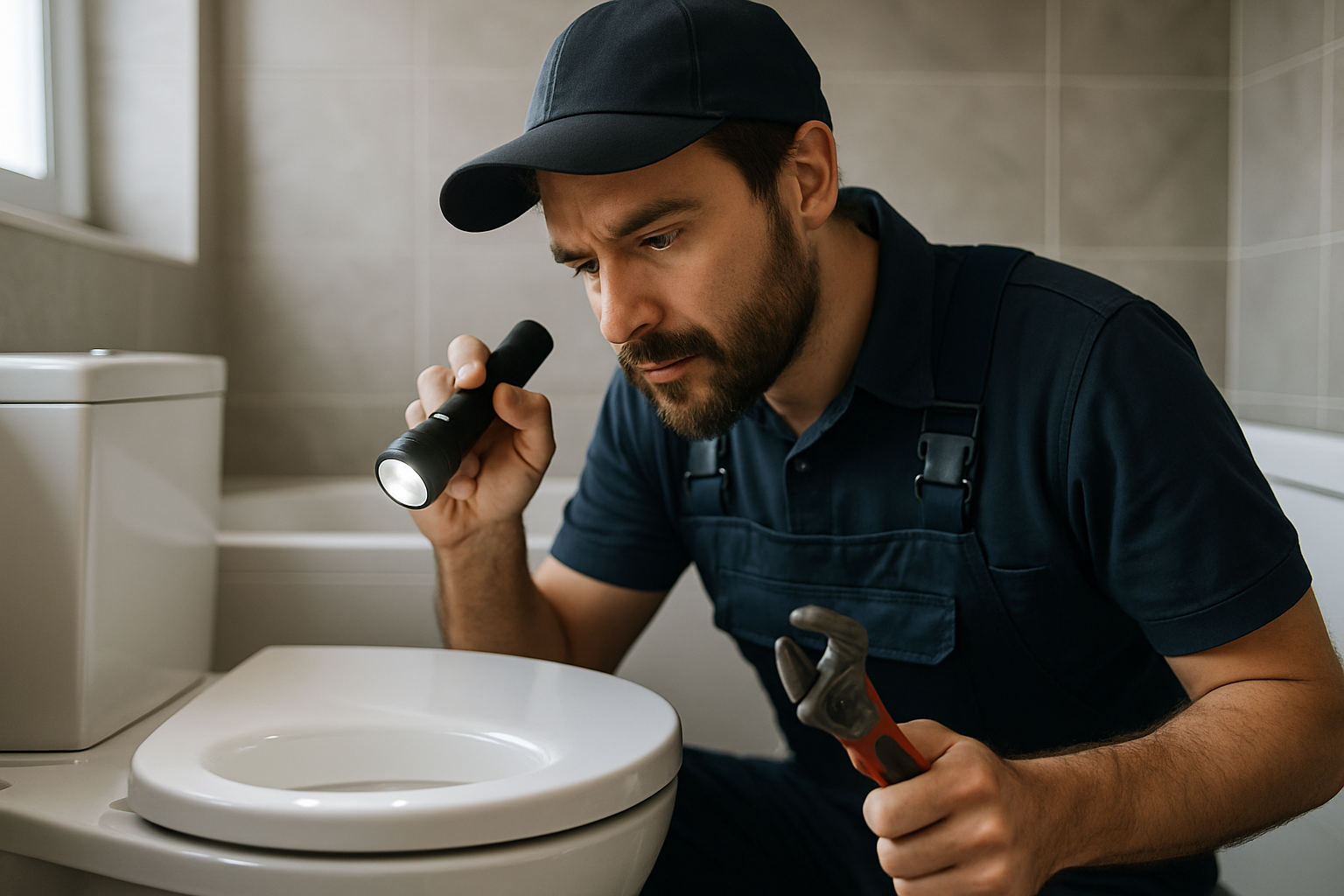
Handicap Accessible Bathroom — We Improve For You
Troubleshooting Guide

Handicap Accessible Bathroom Troubleshooting Guide — We Improve For You

Creating a handicap accessible bathroom is essential for ensuring safety and independence for those with mobility challenges. At We Improve For You in Milford, CT, we understand the unique needs of our clients and offer specialized solutions to enhance accessibility and comfort in your bathroom space. However, even the most well-designed accessible bathrooms can encounter issues over time. This troubleshooting guide is designed to help homeowners identify common problems that may arise in handicap accessible bathrooms, providing actionable steps to address them effectively. In this guide, we will discuss various symptoms that may indicate underlying issues in your accessible bathroom, along with their possible causes and severity levels. Whether it's a slippery floor, inadequate grab bar support, or an improperly functioning shower, understanding these problems is the first step to finding a solution. We encourage homeowners to assess the situation carefully and use this guide to troubleshoot effectively, ensuring that your bathroom remains a safe haven for all users. If you encounter any severe issues, our experts at We Improve For You are just a phone call away at (475) 241-7475.

By We Improve For You
8 min read
Expert-reviewed
Having an Emergency?
Don't wait — call us now for 24/7 emergency service in Milford, CT.
(475) 241-7475
Symptoms & Causes

Identify the Problem

Match your symptoms to the most likely cause. Severity ratings help you decide how urgently to act.

Grab bars are loose or wobblinghigh
Likely cause: Improper installation, Wear and tear over time, Incorrect wall support
DIY check: Tighten the screws or bolts holding the grab bars. If they continue to wobble, consider replacing them.
Shower floor is slipperymedium
Likely cause: Inappropriate flooring material, Accumulation of soap scum, Lack of non-slip mats
DIY check: Clean the shower floor thoroughly and consider applying a non-slip coating or adding rubber mats.
Toilet height is uncomfortablemedium
Likely cause: Standard toilet height, Incorrect installation, User's specific needs not considered
DIY check: Consider adding a toilet riser to increase the height, ensuring it meets the user's comfort requirements.
Insufficient space for wheelchair maneuveringhigh
Likely cause: Poor design layout, Incorrect measurements during installation, Changes in user needs
DIY check: Evaluate the layout and potentially rearrange or remove non-essential fixtures to increase space.
Faucets are hard to operatelow
Likely cause: Inappropriate faucet type, Wear and tear, Water pressure issues
DIY check: Inspect for debris and clean the faucet. If it's still difficult, consider replacing with lever-style faucets.
Water temperature fluctuatesmedium
Likely cause: Faulty mixing valve, Old plumbing, Water heater issues
DIY check: Check the mixing valve and ensure it’s functioning correctly; consult a professional if issues persist.
What to Do Next

Step-by-Step Action Plan

Follow these steps before calling a technician — you may be able to resolve the issue yourself.

1

Assess Grab Bar Stability

Check each grab bar for stability by gently pulling on them. If they feel loose, determine if they need tightening or replacement.

2

Evaluate Shower Safety

Inspect the shower floor for any signs of slipperiness and check if non-slip mats are in place. Clean the area regularly to prevent build-up.

3

Measure Toilet Height

Measure the height of your toilet from the floor to the seat. If it’s lower than 17 inches, consider adding a riser.

4

Check Space for Mobility

Use a measuring tape to assess the maneuvering space around the toilet and shower. Ensure there’s at least 60 inches for wheelchair access.

5

Examine Faucet Functionality

Test the faucet handles to see if they operate smoothly. If they are difficult to turn, clean or consider replacing them.

Pro Tip
Always turn off power to the unit at the breaker before inspecting any components. Safety first — even for simple checks.
When to Call a Professional

Don't DIY These Situations

Some repairs require a licensed technician for safety, code compliance, and warranty protection.

Professional Assessment Required

If grab bars remain unstable despite tightening attempts, professional installation may be necessary.

Professional Assessment Required

When the shower floor is consistently slippery after DIY cleaning, professional flooring solutions can enhance safety.

Professional Assessment Required

If the toilet height adjustment does not alleviate discomfort, a professional can recommend suitable alternatives.

Professional Assessment Required

When the space for wheelchair maneuvering cannot be adjusted effectively by the homeowner, a design consultation is needed.

Professional Assessment Required

If the water temperature issue persists despite DIY fixes, a licensed plumber should inspect the plumbing and heater.

Common Questions
What should I do if my grab bars feel loose?
If your grab bars feel loose, it's crucial to assess their stability immediately. Start by tightening the screws or bolts that hold them in place. If they continue to wobble or feel insecure, it may indicate that they were not installed correctly or that the wall support is inadequate. In this case, it's best to consult a professional who can ensure they are installed safely and securely.
How can I make my shower safer?
To enhance shower safety, consider installing non-slip mats or using a non-slip coating on the floor. Regular cleaning is also vital to prevent soap scum build-up, which can make surfaces slippery. If you continue to have concerns about safety, a professional can recommend remodeling options that meet your specific needs.
Is it necessary to hire a contractor for my accessible bathroom?
While some minor adjustments can be made by homeowners, hiring a contractor is essential for significant renovations or installations. Professionals ensure that all installations comply with local building codes and accessibility standards, which is crucial for safety and functionality in a handicap accessible bathroom.
What are the signs that my toilet height is inappropriate?
If you or someone using the bathroom struggles to sit down or get up from the toilet, it may indicate that the toilet height is inappropriate. A standard toilet height may not accommodate users with mobility challenges. In such cases, consider adding a toilet riser or looking into a higher toilet model designed for accessibility.
Related Services

We Can Fix It For You

Our licensed team serves Milford, CT and surrounding areas — same-day service available.

Problem Solved — Or Need a Pro?

Our licensed team serves Milford, CT and surrounding areas. Get a free diagnosis — no obligation.