
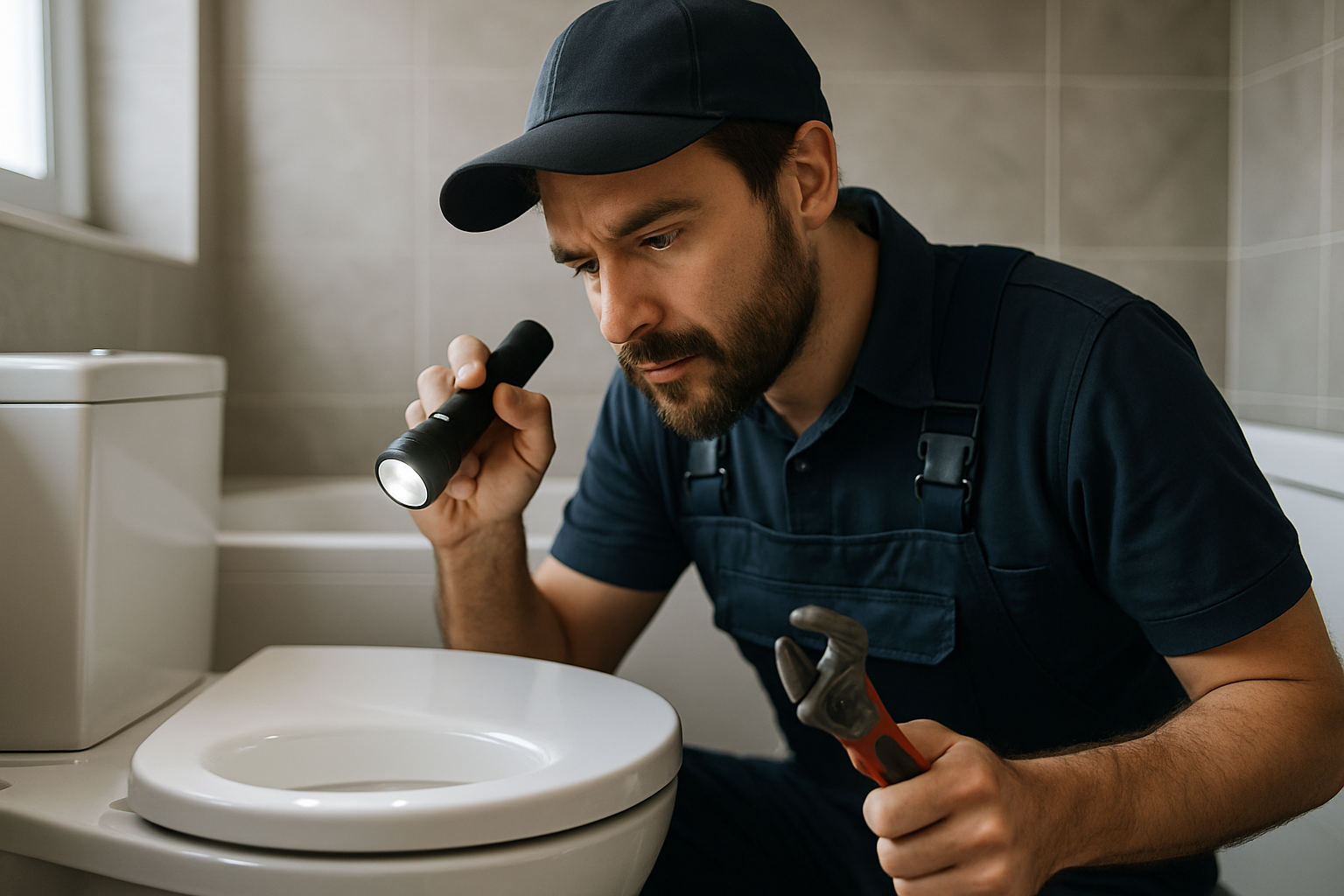
Bathroom Water Pressure Adjustment Troubleshooting Guide — We Improve For You
Experiencing low water pressure in your bathroom can be incredibly frustrating, especially when you rely on a strong flow for showers and daily hygiene routines. At We Improve For You in Milford, CT, we understand that bathroom water pressure issues can stem from various causes, and knowing how to troubleshoot these problems can save you both time and money. This guide is designed to help you identify the symptoms of low water pressure, understand potential causes, and determine whether you can fix the issue yourself or if it's time to call in the professionals. The water pressure in your bathroom is crucial for many fixtures, including sinks, showers, and toilets. When it’s not functioning properly, it can lead to an unsatisfactory experience and may even indicate deeper plumbing issues. Whether you're dealing with a trickling showerhead or a sink that takes forever to fill, our troubleshooting guide will equip you with the knowledge needed to tackle these problems effectively. Read on to discover common symptoms of water pressure issues and the steps you can take to resolve them before they escalate.
Identify the Problem
Match your symptoms to the most likely cause. Severity ratings help you decide how urgently to act.
Step-by-Step Action Plan
Follow these steps before calling a technician — you may be able to resolve the issue yourself.
Identify the Affected Fixture
Determine if the water pressure issue is isolated to one fixture or if multiple fixtures are affected, which can help pinpoint the cause.
Check for Clogs
Inspect aerators and showerheads for mineral buildup or debris that may restrict water flow.
Inspect Supply Lines
Examine visible pipes for leaks or signs of corrosion that could be reducing water pressure.
Adjust the Pressure Regulator
If your home has a pressure regulator, check its settings and adjust as necessary; consult the manufacturer’s guidelines.
Monitor Local Water Supply
Contact your local water supplier to inquire about any ongoing issues that could affect pressure in your area.
Don't DIY These Situations
Some repairs require a licensed technician for safety, code compliance, and warranty protection.
If you suspect the issue is related to the main water line supplying your home.
When dealing with complex plumbing systems that require professional assessment.
If the problem persists despite your troubleshooting efforts and basic fixes.
For any repairs involving the replacement of pipes or fixtures that may require permits.
If you notice signs of water damage or mold due to low water pressure affecting drainage.
What causes low water pressure in my bathroom?
How can I improve my shower's water pressure?
Is it safe to adjust the pressure regulator myself?
How can I tell if my pipes are clogged?
We Can Fix It For You
Our licensed team serves Milford, CT and surrounding areas — same-day service available.
Problem Solved — Or Need a Pro?
Our licensed team serves Milford, CT and surrounding areas. Get a free diagnosis — no obligation.