
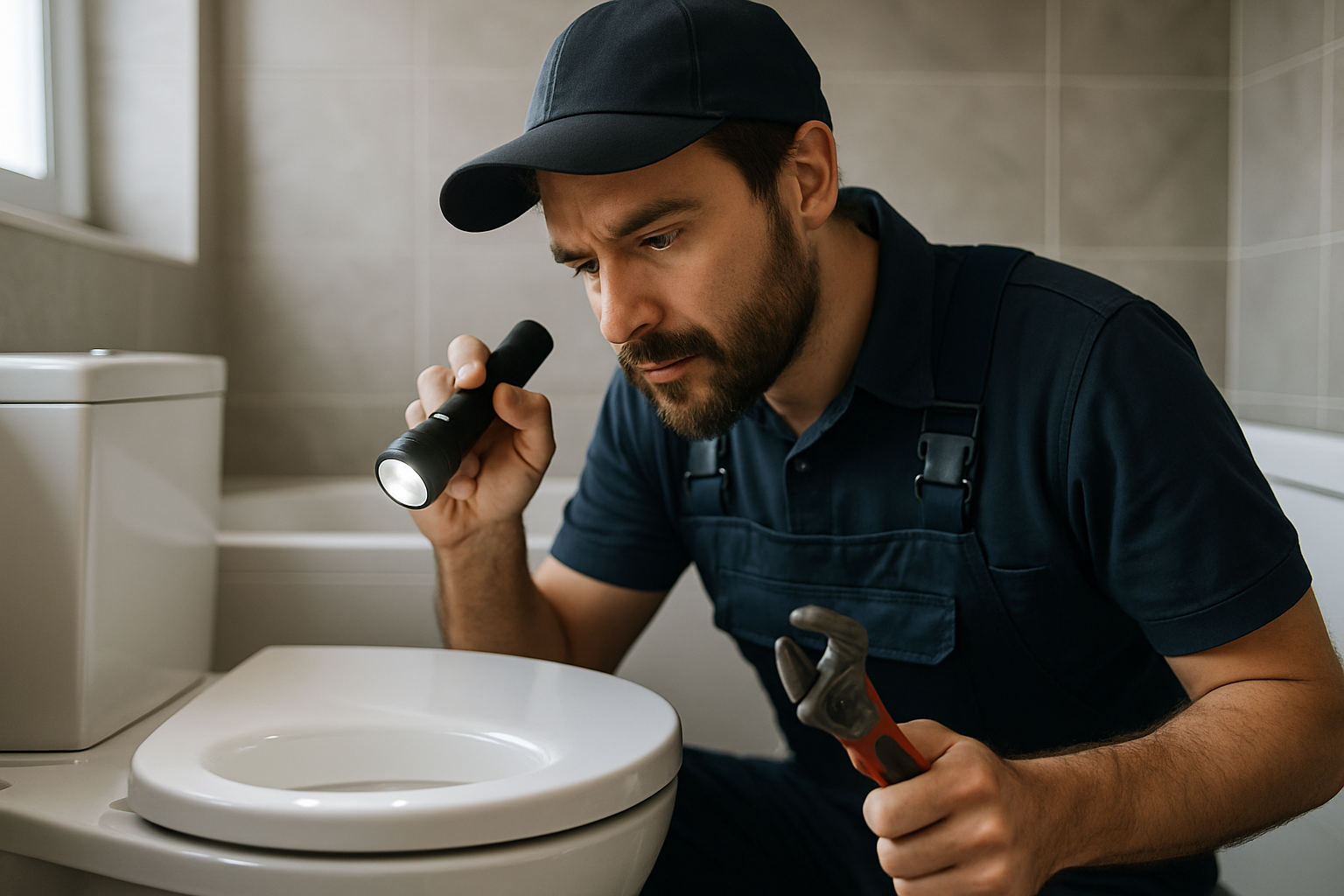
Bathroom Tile Repair — We Improve For You
Troubleshooting Guide

Bathroom Tile Repair Troubleshooting Guide — We Improve For You

Bathroom tile repair can be a daunting task for homeowners in Milford, CT, but understanding the common issues can simplify the process. From cracked tiles to grout problems, identifying the right solution is key to maintaining a beautiful and functional bathroom. At We Improve For You, we specialize in bathroom tile repair, ensuring that your space not only looks great but also functions effectively. Our troubleshooting guide is designed to help you navigate these common issues and provide practical solutions. As a homeowner, you may encounter various symptoms that indicate a need for tile repair. Understanding the root causes of these issues can save you time and money. Whether it's water damage, loose tiles, or unsightly cracks, knowing how to address these problems can prevent them from worsening. In Milford, CT, where humidity can affect bathroom conditions, being proactive about tile maintenance is essential. This guide will equip you with the knowledge needed to tackle bathroom tile repairs confidently, ensuring a long-lasting and aesthetically pleasing environment in your home.

By We Improve For You
8 min read
Expert-reviewed
Having an Emergency?
Don't wait — call us now for 24/7 emergency service in Milford, CT.
(475) 241-7475
Symptoms & Causes

Identify the Problem

Match your symptoms to the most likely cause. Severity ratings help you decide how urgently to act.

Cracked tileshigh
Likely cause: Impact from heavy objects, Expansive moisture levels, Poor installation
DIY check: Replace the cracked tile by removing it and applying new adhesive.
Loose tilesmedium
Likely cause: Improper adhesive application, Water damage underneath, Age of tiles
DIY check: Reapply adhesive and press the tiles back into place, ensuring they are level.
Discolored groutmedium
Likely cause: Mold or mildew growth, Staining from products, Water damage
DIY check: Clean the grout with a mixture of vinegar and baking soda to restore its color.
Water pooling in cornershigh
Likely cause: Improper slope during installation, Cracked grout lines, Damaged waterproofing
DIY check: Check and repair the grout lines; ensure the slope directs water towards the drain.
Missing groutmedium
Likely cause: Age of the installation, Moisture damage, Poor application
DIY check: Re-grout the area by mixing grout and applying it into the gaps.
Tile chippingmedium
Likely cause: Heavy impact, Age and wear, Poor quality tiles
DIY check: Use a tile repair kit to fill in chips or replace the tile if necessary.
Bubbling or peeling tileshigh
Likely cause: Moisture trapped underneath, Inadequate adhesive, Temperature fluctuations
DIY check: Remove the affected tile, clean the area, and reapply with appropriate adhesive.
What to Do Next

Step-by-Step Action Plan

Follow these steps before calling a technician — you may be able to resolve the issue yourself.

1

Identify the Problem

Examine your bathroom tiles for visible damage. Look for cracks, discoloration, and loose tiles to determine the extent of the issue.

2

Check for Underlying Issues

Inspect the area behind the tiles for moisture or mold. This may require removing a tile to assess the condition of the wall.

3

Gather Necessary Tools

Collect tools such as a tile cutter, adhesive, grout, and cleaning solutions to prepare for repairs.

4

Perform Repairs

Depending on the identified issues, replace cracked tiles, reapply adhesive, or clean and re-grout as necessary.

5

Allow for Proper Curing

After repairs, ensure that the adhesive and grout cure properly according to manufacturer instructions, typically 24-48 hours.

6

Conduct a Final Inspection

Once everything has cured, inspect your work for any remaining issues or areas that may need additional attention.

Pro Tip
Always turn off power to the unit at the breaker before inspecting any components. Safety first — even for simple checks.
When to Call a Professional

Don't DIY These Situations

Some repairs require a licensed technician for safety, code compliance, and warranty protection.

Professional Assessment Required

Extensive water damage behind tiles that requires structural repairs.

Professional Assessment Required

Multiple cracked tiles indicating a potential foundation issue.

Professional Assessment Required

Severe mold growth that can't be resolved with DIY methods.

Professional Assessment Required

Complex tile patterns that need expert installation skills to repair.

Professional Assessment Required

Presence of asbestos in older tiles that requires safe removal.

Common Questions
How long does a typical bathroom tile repair take?
The duration of a bathroom tile repair can vary based on the extent of the damage. Minor repairs, such as re-grouting or fixing a few cracked tiles, may take a few hours. However, more extensive repairs involving water damage or the replacement of several tiles could take one to two days. It's essential to allow proper curing time for adhesives and grout, which usually requires 24 to 48 hours before using the bathroom again.
What materials do I need for a DIY tile repair?
For a DIY tile repair, you'll typically need tiles that match the existing ones, tile adhesive, grout, a tile cutter, a notched trowel, and a grout float. Additionally, having cleaning supplies, a sponge, and a measuring tape will help ensure a smooth repair process. If you're unsure about the materials, visiting a local home improvement store in Milford can provide guidance on the best products for your specific tile type.
Can I repair my bathroom tiles without removing them?
In some cases, minor issues like grout discoloration or small chips can be addressed without removing the tiles. Cleaning or re-grouting can rejuvenate the appearance without the need for complete tile removal. However, for significant problems like cracked or loose tiles, removal may be necessary to ensure a proper fix. If in doubt, consulting a professional can provide clarity on the best approach.
What are the signs that I need to call a professional for tile repair?
Signs that you should call a professional for tile repair include extensive water damage, multiple cracked tiles, persistent mold growth, or if you’re unsure about the repair process. If the problem seems beyond a simple fix, or if you notice structural issues, it's crucial to consult with a professional to prevent further damage and ensure a safe environment in your bathroom.
Related Services

We Can Fix It For You

Our licensed team serves Milford, CT and surrounding areas — same-day service available.

Problem Solved — Or Need a Pro?

Our licensed team serves Milford, CT and surrounding areas. Get a free diagnosis — no obligation.