
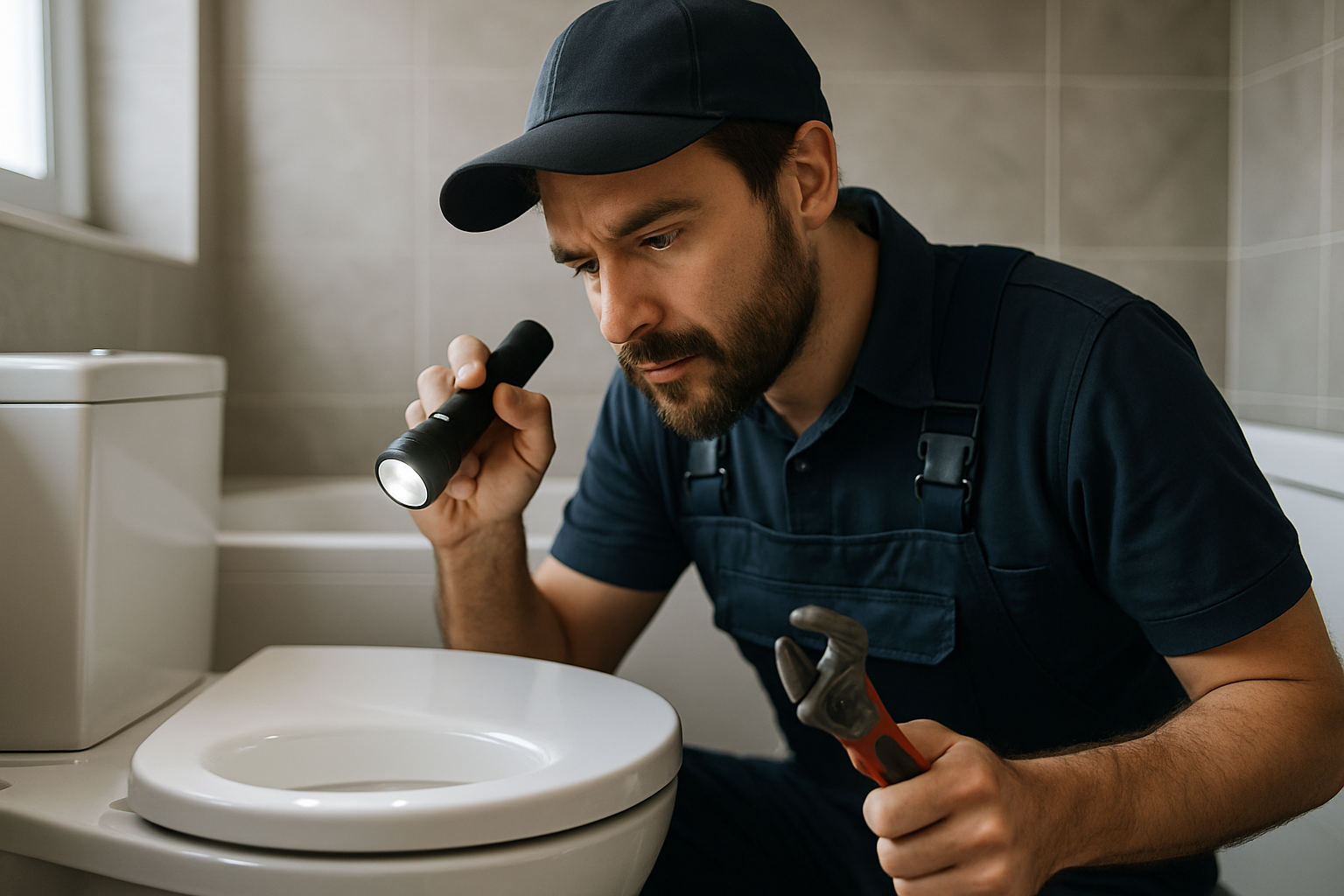
Bathroom Leak Repair Troubleshooting Guide — We Improve For You
Experiencing a bathroom leak can be a homeowner's worst nightmare, leading to extensive damage and costly repairs if not addressed promptly. At We Improve For You, located in Milford, CT, we understand how frustrating it can be to deal with leaks in your bathroom. Whether it’s a small drip or a major flood, identifying the source of the leak is crucial for effective repair. This comprehensive troubleshooting guide will help you understand common symptoms of bathroom leaks, possible causes, and steps you can take to address the issue before it escalates into a larger problem. In Milford, CT, where the weather can fluctuate and impact plumbing systems, being proactive about bathroom leak repairs is essential. Our team is dedicated to helping you troubleshoot and resolve these issues efficiently. Whether you are a DIY enthusiast or prefer to leave it to the professionals, knowing how to spot a leak can save you time and money. With the right approach, you can maintain the integrity of your bathroom while avoiding potential water damage. Let's delve into the most common symptoms of leaks and how you can tackle them head-on.
Identify the Problem
Match your symptoms to the most likely cause. Severity ratings help you decide how urgently to act.
Step-by-Step Action Plan
Follow these steps before calling a technician — you may be able to resolve the issue yourself.
Identify the Source of the Leak
Begin by visually inspecting your bathroom fixtures, including sinks, toilets, and tubs, for any visible signs of leaking. Pay close attention to joints and connections.
Check for Water Stains
Look for water stains on walls, ceilings, and floors. These can indicate where the leak is originating, especially if you notice discoloration or peeling paint.
Test Your Fixtures
Run your faucets and flush your toilet while monitoring for leaks. If you notice water pooling around any fixtures, you may have a faulty seal or connection.
Inspect Grout and Caulking
Check the grout and caulking around your bathtub, shower, and sink for cracks or gaps. These can allow water to seep through and cause damage.
Monitor Your Water Meter
If you suspect a hidden leak, note your water meter reading, wait a few hours without using water, and check the meter again. A change indicates a leak.
Don't DIY These Situations
Some repairs require a licensed technician for safety, code compliance, and warranty protection.
If you identify damaged pipes that require replacement, it's best to call a professional.
For leaks behind walls or under floors, specialized tools are needed to access and repair the damage.
If your leak is causing significant structural damage, immediate professional intervention is necessary.
In case of mold growth due to prolonged leaks, professional remediation is required to ensure safety.
How do I know if my bathroom leak is serious?
Can I fix a leak myself?
What common tools do I need for bathroom leak repairs?
How long does it take to repair a bathroom leak?
We Can Fix It For You
Our licensed team serves Milford, CT and surrounding areas — same-day service available.
Problem Solved — Or Need a Pro?
Our licensed team serves Milford, CT and surrounding areas. Get a free diagnosis — no obligation.