
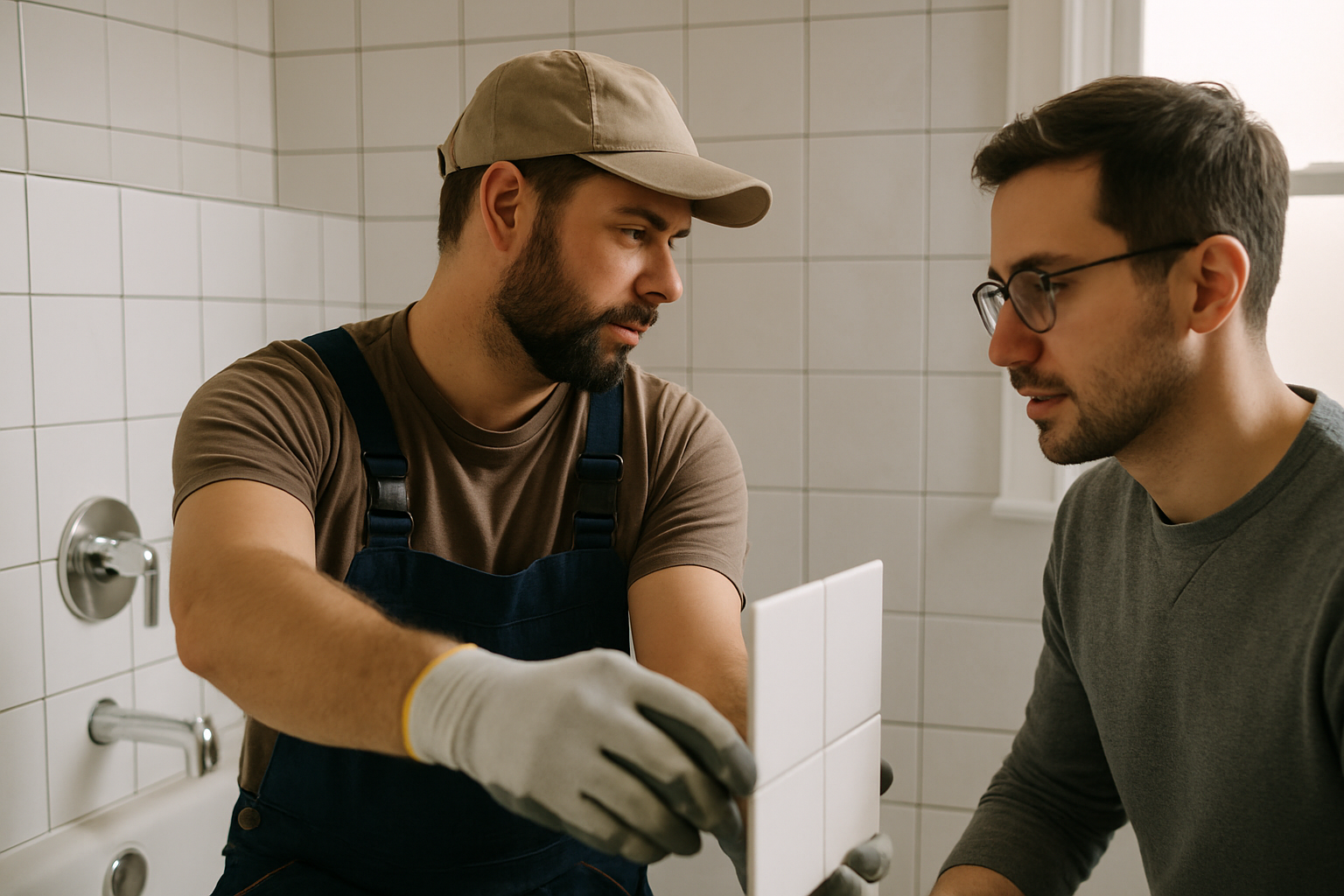
Bathroom Water Damage Restoration How-To Guide — We Improve For You
Initial Assessment
Water Extraction
Drying the Area
Mold Inspection and Remediation
Repair and Replace Damaged Materials
Final Inspection and Preventive Measures
How It Works
Water damage in your bathroom can lead to severe structural issues and mold growth if not addressed promptly. In Milford, CT, homeowners often face challenges with plumbing leaks, overflows, and humidity, which can compromise the integrity of their bathroom. Understanding how to effectively restore water damage is crucial for maintaining a safe and healthy living environment. This guide will walk you through the essential steps of bathroom water damage restoration, offering insights on what to do immediately after a water incident and how We Improve For You can assist you in the process. Restoring your bathroom after water damage involves several critical steps, including assessment, drying, and repairs. The goal is not only to fix visible damage but also to address hidden issues that could lead to future problems. Whether you’ve experienced a minor leak or a significant flood, knowing the right procedures can save you time and money. With the expertise of We Improve For You, residents in Milford can navigate this complex process with ease and confidence, ensuring that their bathrooms are restored to their former glory without the risk of recurring issues.
Initial Assessment
The first step in bathroom water damage restoration is to conduct a thorough assessment of the damage. This includes identifying the source of the water intrusion, inspecting for visible water damage, and determining the extent of affected materials such as drywall, flooring, and cabinetry. Taking immediate action during this phase is crucial to prevent further deterioration.
Water Extraction
After assessing the damage, the next step is to extract standing water from the affected areas. This can be done using pumps and wet vacuums to remove any accumulated water. Quick removal of water significantly reduces the risk of mold growth and additional damage to your bathroom structure.
Drying the Area
Once the water has been extracted, the drying process begins. High-powered fans and dehumidifiers are deployed to eliminate moisture from the air and surfaces. It's critical to ensure that all affected materials are adequately dried to prevent mold and mildew growth. This process may take several days depending on the extent of water exposure.
Mold Inspection and Remediation
After drying, a thorough inspection for mold growth is necessary, as mold can develop quickly in damp areas. If any mold is detected, remediation will be performed to safely remove it and treat the surfaces to prevent future growth. This step is essential for maintaining a healthy bathroom environment.
Repair and Replace Damaged Materials
Next, any damaged materials need to be repaired or replaced. This could include installing new drywall, flooring, or cabinetry. The goal is to restore the bathroom to its original condition while ensuring that all repairs are done to code and with quality materials.
Final Inspection and Preventive Measures
After repairs are complete, a final inspection is conducted to ensure everything is in working order and meets safety standards. Preventive measures are also recommended to avoid future water damage, such as installing better ventilation or upgrading plumbing fixtures if necessary.
What to Expect & When
We believe in full transparency. Here's a realistic timeline so you can plan accordingly.
Assessment and Water Extraction
1-2 daysThis phase involves the initial assessment of damage and extraction of water, ensuring a quick response to minimize further damage.
Drying and Mold Remediation
2-5 daysThis phase focuses on thoroughly drying out the bathroom and checking for any mold growth, ensuring a safe environment.
Repairs and Replacements
3-7 daysDuring this phase, damaged materials will be repaired or replaced, restoring the bathroom to its original condition.
Final Inspection and Preventive Measures
1 dayThe final phase involves an inspection to ensure all work is completed satisfactorily and suggesting preventive measures for the future.
How to Prepare
- Shut off the water supply to prevent additional flooding.
- Remove any personal items from the bathroom to avoid damage.
- Document the damage with photos for insurance purposes.
- Ensure proper ventilation by opening windows or using fans.
- Contact We Improve For You immediately to start the restoration process.
Common Questions
Everything you need to know before we arrive.
What should I do immediately after discovering water damage in my bathroom?
How long does the bathroom water damage restoration process take?
Will my insurance cover the cost of water damage restoration?
How can I prevent future water damage in my bathroom?
What are the risks of DIY water damage restoration?
Still have questions? We're happy to help.
Call (475) 241-7475Understanding Water Damage in Bathrooms
Water damage in bathrooms can stem from various sources including leaks from fixtures, overflows, or even high humidity levels. Common signs of water damage include discoloration on walls and ceilings, warped flooring, and the presence of mold. In Milford, CT, where humidity levels can fluctuate, it's important for homeowners to be vigilant about these signs. If left untreated, water damage can lead to serious structural problems and health issues due to mold. Therefore, recognizing the early signs and taking immediate action is crucial. We Improve For You specializes in identifying and rectifying water damage, ensuring your bathroom remains a safe and enjoyable space.
Choosing the Right Professionals for Restoration
When faced with bathroom water damage, it’s essential to choose a restoration professional who understands the local climate and building codes. We Improve For You has extensive experience in the Milford area, enabling us to provide tailored solutions for your specific needs. Our team uses advanced equipment and techniques to ensure thorough drying and restoration, minimizing the risk of future issues. Additionally, we prioritize customer communication, keeping you informed every step of the way. Choosing a local contractor like We Improve For You not only supports the community but also ensures that you receive personalized service grounded in local expertise.
Ready to Get Started with We Improve For You?
Our licensed technicians serve Milford and surrounding communities. Free estimates — no obligation.