
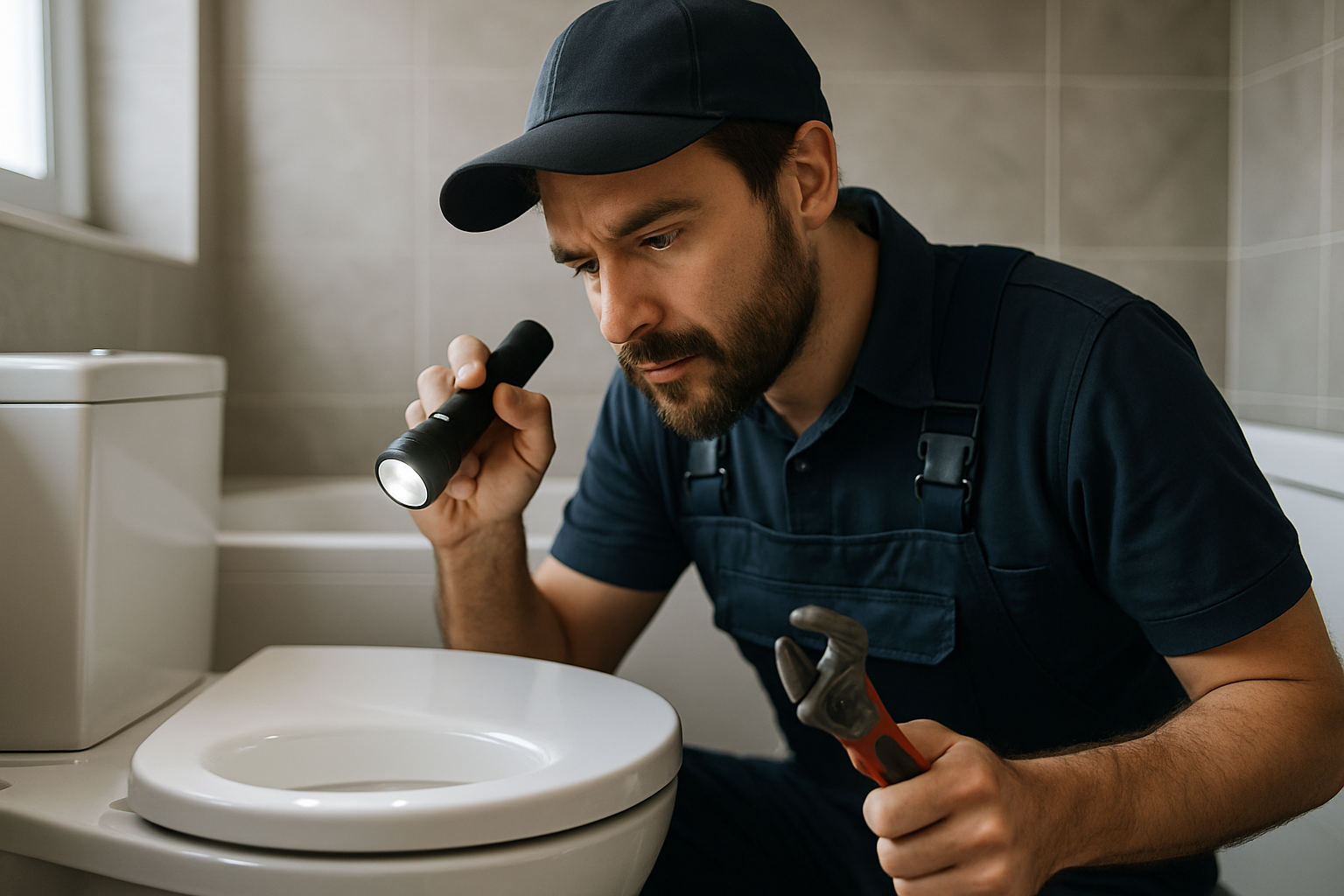
Heated Floor Installation — We Improve For You
Troubleshooting Guide

Heated Floor Installation Troubleshooting Guide — We Improve For You

Welcome to the Heated Floor Installation Troubleshooting Guide provided by We Improve For You in Milford, CT. Heated floors can transform your bathroom into a cozy oasis, especially during the chilly Connecticut winters. However, like any home improvement project, complications can arise during or after installation. Understanding how to effectively troubleshoot common issues can save you time, money, and stress. In this guide, we will explore the typical problems associated with heated floor installations, their possible causes, and practical solutions that you can attempt on your own. Whether you're experiencing uneven heating, strange noises, or circuit issues, our comprehensive troubleshooting steps will help you diagnose and address these concerns effectively. Our goal is to ensure that your heated floor system operates efficiently and enhances the comfort of your bathroom for years to come.

By We Improve For You
8 min read
Expert-reviewed
Having an Emergency?
Don't wait — call us now for 24/7 emergency service in Milford, CT.
(475) 241-7475
Symptoms & Causes

Identify the Problem

Match your symptoms to the most likely cause. Severity ratings help you decide how urgently to act.

Uneven heating across the floormedium
Likely cause: Incorrect installation of heating cables, Insufficient insulation, Faulty thermostat settings
DIY check: Check the thermostat settings and ensure insulation is properly installed.
Heated floor is not working at allhigh
Likely cause: Tripped circuit breaker, Damaged heating element, Faulty thermostat
DIY check: Reset the circuit breaker and check for any visible damage to the heating cables.
Strange noises coming from the floorlow
Likely cause: Thermal expansion of the heating cables, Loose floorboards, Improper installation
DIY check: Inspect the floor for loose boards and tighten any that are not secure.
Floor overheating in certain areasmedium
Likely cause: Faulty thermostat, Incorrect installation of sensors, Overlapping heating cables
DIY check: Check the thermostat calibration and ensure sensors are positioned correctly.
High energy bills since installationmedium
Likely cause: Thermostat set too high, Inefficient heating system, Poor insulation in the bathroom
DIY check: Lower the thermostat and assess insulation quality in the bathroom.
Delayed heating responsemedium
Likely cause: Incorrect wiring, Faulty thermostat, Cold weather affecting performance
DIY check: Verify wiring connections and ensure the thermostat is functioning properly.
What to Do Next

Step-by-Step Action Plan

Follow these steps before calling a technician — you may be able to resolve the issue yourself.

1

Check the Circuit Breaker

Begin by inspecting your home's circuit breaker panel. If the breaker for your heated floor has tripped, reset it and check if the floor starts heating up again.

2

Examine the Thermostat Settings

Ensure your thermostat is set to the desired temperature. Sometimes, simple settings adjustments can resolve issues with the heated floor not functioning properly.

3

Inspect the Heating Cables

Carefully check the heating cables for visible signs of damage. If you find any breaks or frays, it may require professional repair.

4

Assess Insulation

Evaluate the insulation beneath your heated floor. Inadequate insulation can lead to heat loss and uneven heating, so ensuring proper insulation is vital.

5

Monitor for Noises

Listen for any unusual sounds when the system is running. If noises persist, it could indicate loose floorboards or improper installation.

Pro Tip
Always turn off power to the unit at the breaker before inspecting any components. Safety first — even for simple checks.
When to Call a Professional

Don't DIY These Situations

Some repairs require a licensed technician for safety, code compliance, and warranty protection.

Professional Assessment Required

If the heating cables are visibly damaged and require replacement.

Professional Assessment Required

When the thermostat is malfunctioning and needs expert calibration.

Professional Assessment Required

If the floor continues to overheat despite troubleshooting efforts.

Professional Assessment Required

When electrical issues are suspected that could pose safety risks.

Professional Assessment Required

If the heated floor system was not installed professionally, leading to ongoing problems.

Common Questions
What should I do if my heated floor is not heating?
If your heated floor is not heating, start by checking the circuit breaker to ensure it hasn't tripped. Then, inspect the thermostat settings to confirm it's set correctly. If these steps don’t resolve the issue, there could be damage to the heating cables or a malfunctioning thermostat that requires professional evaluation.
How can I tell if my heated floor is installed correctly?
Properly installed heated floors should provide even warmth across the entire area. If you notice cold spots or inconsistent heating, it may indicate an installation issue. Additionally, listen for any strange noises during operation, which can also suggest improper installation.
Can I repair the heating cables myself?
While some homeowners may attempt to repair heating cables, we recommend calling a professional due to the complexity and potential safety hazards involved. If you suspect cable damage, a trained technician can diagnose and fix the issue safely and effectively.
What is the best way to maintain my heated floor system?
Regular maintenance involves checking thermostat settings, ensuring the circuit is functioning properly, and monitoring the floor for any signs of damage or wear. Keeping the area clean and free from moisture can also help maintain the longevity and efficiency of your heated floor system.
Related Services

We Can Fix It For You

Our licensed team serves Milford, CT and surrounding areas — same-day service available.

Problem Solved — Or Need a Pro?

Our licensed team serves Milford, CT and surrounding areas. Get a free diagnosis — no obligation.