
Bathroom Mold Remediation — We Improve For You
Troubleshooting Guide

Bathroom Mold Remediation Troubleshooting Guide — We Improve For You

Bathroom mold can be a persistent and unsightly problem for homeowners in Milford, CT. It not only affects the aesthetic appeal of your bathroom but can also pose health risks if left untreated. Mold thrives in damp environments, making bathrooms the perfect breeding ground. When faced with this issue, it’s crucial to identify the source of the moisture and take immediate action to remediate the mold effectively. At We Improve For You, we specialize in bathroom mold remediation, ensuring that your space is not only beautiful but also safe and healthy. In this troubleshooting guide, we will help you understand the common symptoms of bathroom mold issues, what might be causing them, and how to take the necessary steps to address the situation. Whether you're a DIY enthusiast or someone who's never tackled home repairs, our guide will provide you with valuable insights to tackle mold issues in your bathroom. Remember, while some fixes can be managed independently, others may require the expertise of a professional. Let’s dive into the specifics of bathroom mold remediation and restore your Milford home to its former glory.

By We Improve For You
8 min read
Expert-reviewed
Having an Emergency?
Don't wait — call us now for 24/7 emergency service in Milford, CT.
(475) 241-7475
Symptoms & Causes

Identify the Problem

Match your symptoms to the most likely cause. Severity ratings help you decide how urgently to act.

Visible black or green spots on walls or ceilingshigh
Likely cause: High humidity levels, Poor ventilation, Water leaks from plumbing
DIY check: Clean the affected area with a mixture of vinegar and water, ensuring to dry the space thoroughly.
Musty odor in the bathroommedium
Likely cause: Mold growth behind walls, Damp towels or rugs, Hidden leaks
DIY check: Identify and eliminate the source, and use air fresheners or dehumidifiers to improve the smell.
Peeling or bubbling paint on wallsmedium
Likely cause: Moisture trapped under paint, Inadequate surface preparation, Mold growth underneath
DIY check: Remove the peeling paint, allow the wall to dry completely, and repaint with mold-resistant paint.
Discoloration of grout linesmedium
Likely cause: Water infiltration, Mold growth, Old or damaged grout
DIY check: Scrub the grout with a baking soda paste and seal it to prevent future growth.
Frequent allergy symptoms while in the bathroomhigh
Likely cause: Mold spores in the air, Humidity, Poor ventilation
DIY check: Increase ventilation by installing an exhaust fan and using dehumidifiers.
Water stains on walls or ceilingshigh
Likely cause: Leaking pipes, Condensation, Roof leaks
DIY check: Identify and fix the source of the leak before addressing stains with appropriate cleaners.
Condensation on mirrors and windowslow
Likely cause: High humidity, Poor ventilation, Cold surfaces
DIY check: Use a dehumidifier and ensure regular ventilation to reduce condensation.
Frequent mold regrowth after cleaninghigh
Likely cause: Inadequate cleaning methods, Persistent moisture issues, Poor ventilation
DIY check: Ensure thorough drying after cleaning and consider using mold-resistant products.
What to Do Next

Step-by-Step Action Plan

Follow these steps before calling a technician — you may be able to resolve the issue yourself.

1

Identify Mold Presence

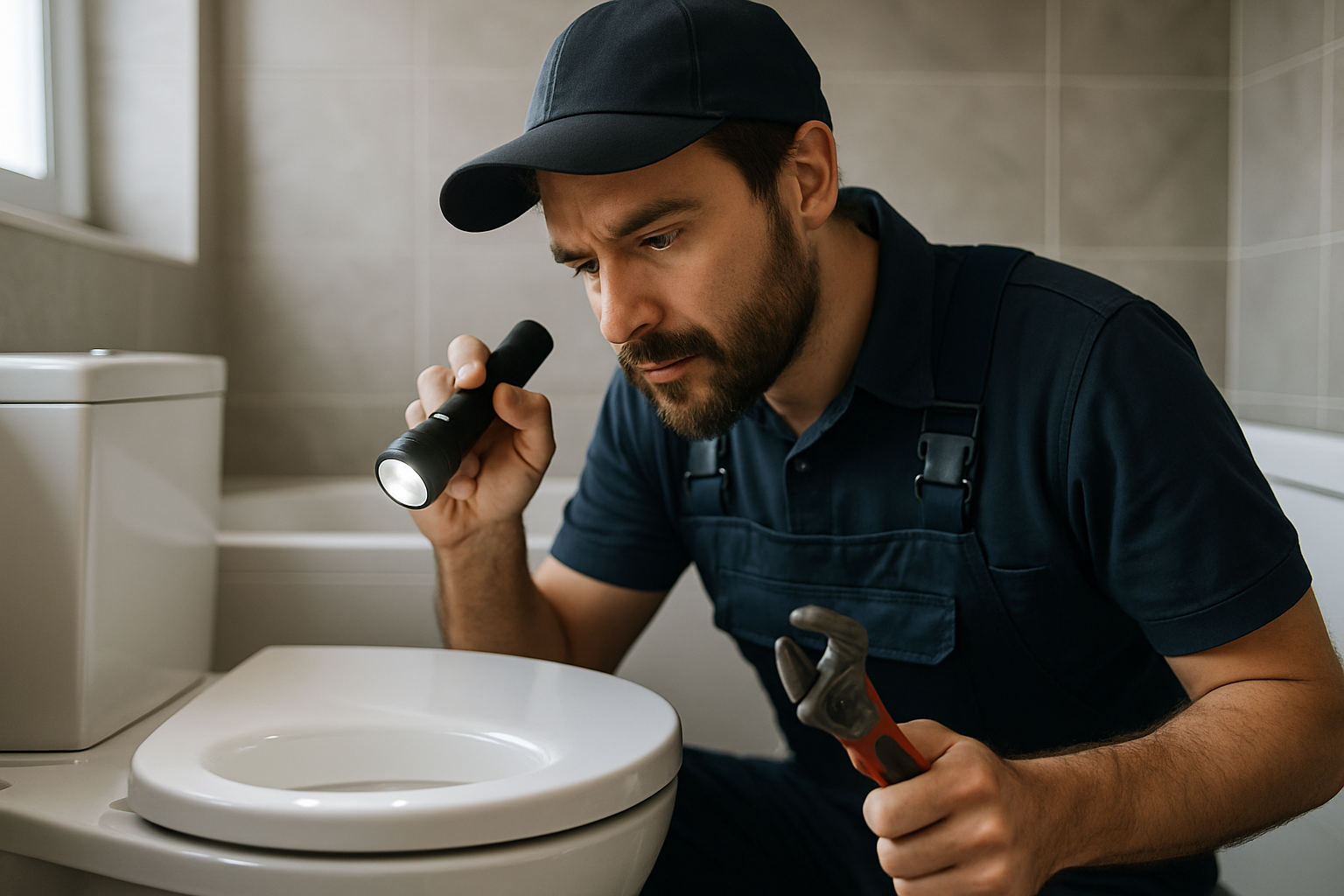
Check for visible mold on surfaces like walls, ceilings, and fixtures. Use a flashlight to inspect hidden areas like behind the toilet or under the sink.

2

Determine Moisture Sources

Examine plumbing fixtures for leaks, check caulking around tubs and sinks, and ensure ventilation systems are functioning properly.

3

Assess Ventilation

Ensure your bathroom has adequate ventilation. Install or clean exhaust fans to reduce humidity levels, especially after showers.

4

Conduct a Thorough Cleaning

Use a solution of water and vinegar or a commercial mold cleaner to scrub visible mold. Ensure the area is dry afterward to prevent regrowth.

5

Seal Grout and Caulking

After cleaning, apply a mold-resistant grout sealer to prevent moisture intrusion in vulnerable areas.

6

Monitor for Recurrence

Regularly check your bathroom for signs of mold and moisture to catch any issues early before they escalate.

Pro Tip
Always turn off power to the unit at the breaker before inspecting any components. Safety first — even for simple checks.
When to Call a Professional

Don't DIY These Situations

Some repairs require a licensed technician for safety, code compliance, and warranty protection.

Professional Assessment Required

If mold covers an area larger than 10 square feet, a professional should be called to assess and remediate safely.

Professional Assessment Required

When mold is found behind walls or under floors, which requires specialized removal techniques.

Professional Assessment Required

If the source of moisture is unknown or involves plumbing repairs that are beyond basic DIY skills.

Professional Assessment Required

When health issues arise, such as respiratory problems, due to mold exposure, a professional should handle the remediation.

Common Questions
What are the health risks associated with bathroom mold?
Exposure to bathroom mold can lead to various health issues, particularly for individuals with allergies, asthma, or compromised immune systems. Common symptoms include respiratory problems, nasal congestion, coughing, and skin irritation. In severe cases, prolonged exposure can lead to serious respiratory conditions. It's crucial to address mold issues promptly to protect your health and that of your family.
How can I tell if the mold in my bathroom is toxic?
While most mold types found in bathrooms are not toxic, some, like black mold (Stachybotrys chartarum), can produce mycotoxins that may be harmful. If you notice a persistent musty odor, visible black mold, or are experiencing health issues, it's advisable to have a professional conduct an inspection. They can identify the mold type and recommend appropriate remediation measures.
How often should I check for mold in my bathroom?
It's a good practice to inspect your bathroom for mold at least once a month. Look for signs of moisture, discoloration, or any musty odors. Pay special attention to areas prone to dampness, such as around the tub, shower, and sink. Early detection can prevent larger mold problems and help maintain a healthy bathroom environment.
Can I use bleach to remove mold?
While bleach can be effective on non-porous surfaces, it is not always recommended for mold removal. Bleach does not penetrate porous materials like drywall or wood, where mold can thrive. Additionally, using bleach may create harmful fumes and can sometimes worsen mold problems by contributing to moisture. It's better to use specialized mold removal products or natural solutions like vinegar and baking soda.
Related Services

We Can Fix It For You

Our licensed team serves Milford, CT and surrounding areas — same-day service available.

Problem Solved — Or Need a Pro?

Our licensed team serves Milford, CT and surrounding areas. Get a free diagnosis — no obligation.