
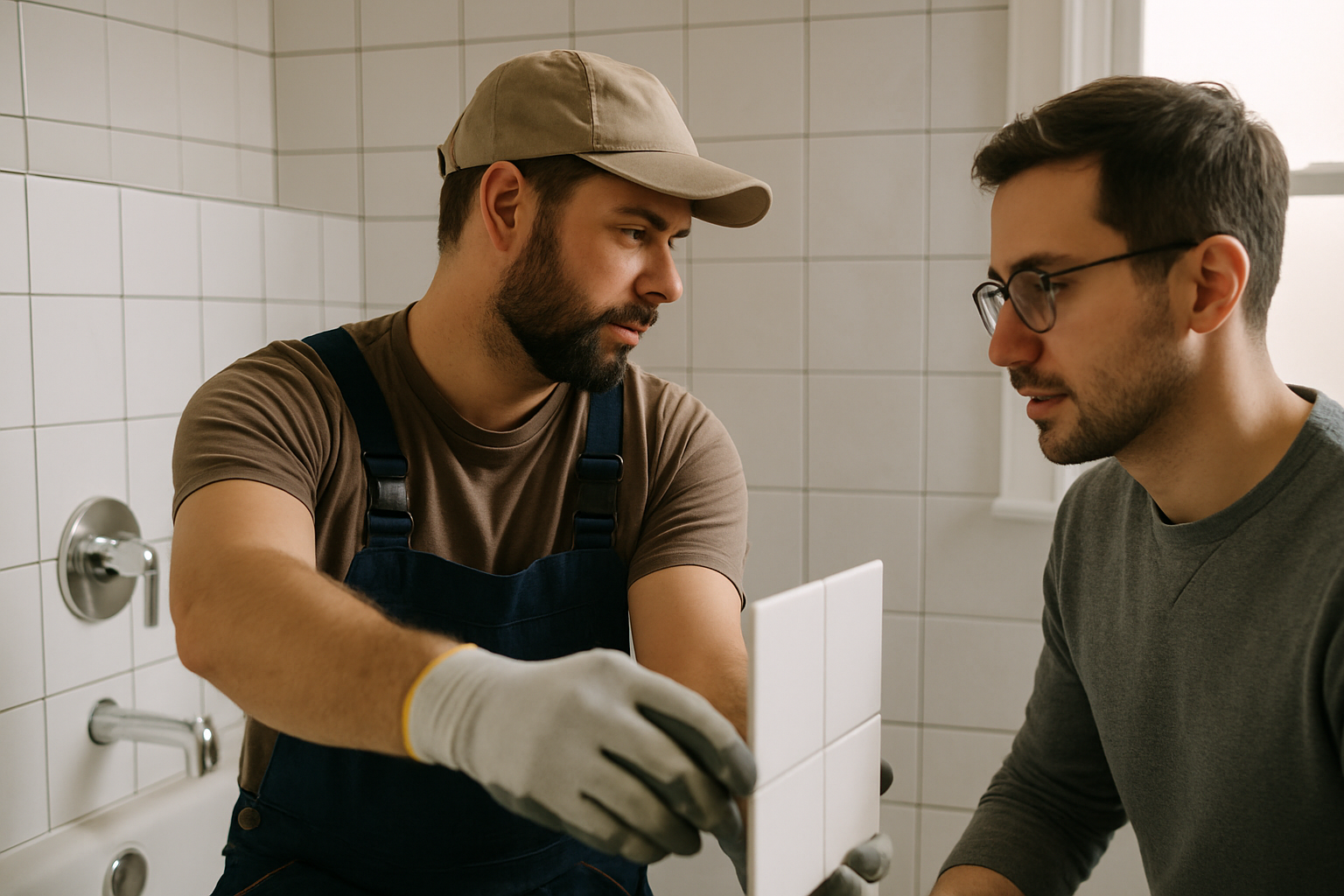
Bathroom Wall Panels How-To Guide — We Improve For You
Choose Your Wall Panel Material
Measure Your Bathroom Walls
Prepare Your Walls
Cut Panels to Size
Apply Adhesive
Install the Wall Panels
How It Works
When it comes to transforming your bathroom, wall panels can be a game changer. At We Improve For You in Milford, CT, we specialize in installing high-quality bathroom wall panels that not only enhance the aesthetic appeal of your space but also offer practicality and durability. Whether you are looking to replace outdated tiles or create a modern look with minimal maintenance, wall panels provide a versatile solution. In this comprehensive how-to guide, we will walk you through the steps involved in selecting and installing bathroom wall panels, ensuring you achieve the bathroom of your dreams. Bathroom wall panels come in various materials, styles, and colors, allowing you to customize your space according to your personal taste. From waterproof options to easy-to-clean surfaces, these panels can help minimize upkeep while maximizing style. Our guide is designed to help you navigate the installation process, whether you’re a DIY enthusiast or planning to hire professionals. With our expert insights, you’ll learn everything you need to know to make informed choices and enjoy a stunning bathroom upgrade.
Choose Your Wall Panel Material
The first step in your bathroom wall panel installation is selecting the right material. Options range from PVC and acrylic to fiberglass and wood panels. Consider factors such as moisture resistance, durability, and aesthetic appeal. Each material has its unique advantages, so choose one that aligns with your needs and style preferences.
Measure Your Bathroom Walls
Accurate measurements are crucial for a successful installation. Measure the height and width of each wall where panels will be installed. Ensure you account for any fixtures like sinks or toilets that may affect the panel layout. Document these measurements carefully to avoid mistakes during installation.
Prepare Your Walls
Before installing the panels, it’s essential to prepare the walls. This involves cleaning the surface and ensuring it is free from mold, mildew, and dust. If necessary, repair any damaged areas to create a smooth, even surface for the panels. This preparation step is vital for proper adhesion and longevity of the installation.
Cut Panels to Size
Once your walls are prepared, it’s time to cut the wall panels to fit your measurements. Use a fine-toothed saw for clean edges and ensure you follow safety guidelines. It’s advisable to make cuts in a well-ventilated area and wear protective gear. Taking your time with this step will ensure a seamless fit during installation.
Apply Adhesive
With the panels cut to size, apply the appropriate adhesive to the back of each panel or directly onto the wall. Follow the manufacturer’s instructions for the adhesive to ensure optimal bonding. This step is crucial for ensuring that the panels stay in place for years to come.
Install the Wall Panels
Now it’s time to install the wall panels. Start from one corner and press each panel firmly against the wall, ensuring they are level. Use spacers if necessary to maintain even gaps. Continue this process until all panels are installed, and check for any adjustments needed along the way.
Seal the Edges
After all panels are installed, seal the edges with silicone caulk to prevent moisture from seeping behind the panels. This step is essential for protecting your walls and ensuring the longevity of your installation. Smooth the caulk with a finger or a caulk tool for a clean finish.
Final Inspection
Finally, conduct a thorough inspection of your newly installed wall panels. Check for any gaps, misalignments, or areas needing touch-ups. Make necessary adjustments and allow any adhesives or sealants to cure as per the product instructions. Enjoy your transformed bathroom!
What to Expect & When
We believe in full transparency. Here's a realistic timeline so you can plan accordingly.
Planning and Design
1 weekDuring this phase, homeowners in Milford, CT should focus on selecting materials and designing the layout for their bathroom wall panels.
Preparation and Measurement
1-2 daysThis includes the actual measuring of walls, cleaning, and preparing the surfaces for installation. It's a crucial step to ensure accuracy.
Installation
1-2 daysThe installation process can take one to two days, depending on the size of the bathroom and the complexity of the panel design.
Curing and Finishing
1-2 daysAfter installation, allow adhesives and caulks to cure completely before using the bathroom. This phase ensures everything is securely in place.
How to Prepare
- Consider the overall design of your bathroom to choose wall panels that complement your existing decor.
- Have all necessary tools and materials ready before starting the installation to streamline the process.
- Plan for adequate ventilation during installation, especially if you're using strong adhesives.
- Ensure the bathroom is empty and free of furniture to provide enough space for the installation.
- Consult with a professional if you're unsure about any part of the installation process.
Common Questions
Everything you need to know before we arrive.
What materials are best for bathroom wall panels?
How do I maintain my bathroom wall panels?
Can I install wall panels over tiles?
How long do bathroom wall panels last?
Is professional installation worth it?
Still have questions? We're happy to help.
Call (475) 241-7475Benefits of Using Bathroom Wall Panels
Bathroom wall panels offer numerous advantages over traditional tiling. One of the primary benefits is the ease of installation; panels are typically lighter and more manageable than tiles, making the process quicker and more efficient. Additionally, wall panels are available in a wide variety of styles, colors, and textures, allowing homeowners to easily achieve their desired look without the hassle of grout lines and maintenance associated with tiles. Another significant benefit is their water resistance. Unlike traditional wall materials that can absorb moisture and lead to mold growth, bathroom wall panels are designed to withstand high humidity levels, making them an ideal choice for wet environments. Furthermore, wall panels require less maintenance than tiles. A simple wipe-down with a damp cloth is often sufficient to keep them looking pristine. Moreover, wall panels can be more cost-effective in the long run. While the initial investment may vary depending on the material, their durability and low maintenance needs can save you money on repairs and replacements over time. For homeowners in Milford, CT, choosing wall panels can be a smart investment in both style and functionality.
Common Mistakes to Avoid When Installing Bathroom Wall Panels
When embarking on a bathroom wall panel installation project, it's crucial to avoid common mistakes that could compromise the quality of your work. One frequent mistake is neglecting to properly measure the walls. Accurate measurements are vital; even a small error can lead to panels that don’t fit correctly, resulting in wasted materials and additional costs. Another common error is failing to prepare the walls adequately. Skipping the cleaning and repair steps can lead to poor adhesion, causing panels to peel or warp over time. It's important to take the time to create a smooth, clean surface for the best results. Additionally, using the wrong adhesive can be detrimental. Ensure you select an adhesive specifically designed for the material of your panels, as incompatible products may not bond effectively. Lastly, many homeowners underestimate the importance of sealing edges and seams. This step is crucial for preventing moisture from seeping behind the panels, which can lead to mold and damage. By avoiding these pitfalls, you can enjoy a successful and lasting bathroom wall panel installation.
Ready to Get Started with We Improve For You?
Our licensed technicians serve Milford and surrounding communities. Free estimates — no obligation.